Preparing your home's electrical system before a renovation
1. Start with the switchboard, not the light fittings
Every new circuit your renovation adds terminates at the switchboard. Older Adelaide boards — especially anything still running ceramic fuses — often have no spare ways and no safety-switch protection for new circuits. Getting the board assessed first means a switchboard upgrade can be priced into the project instead of appearing as a mid-build surprise.
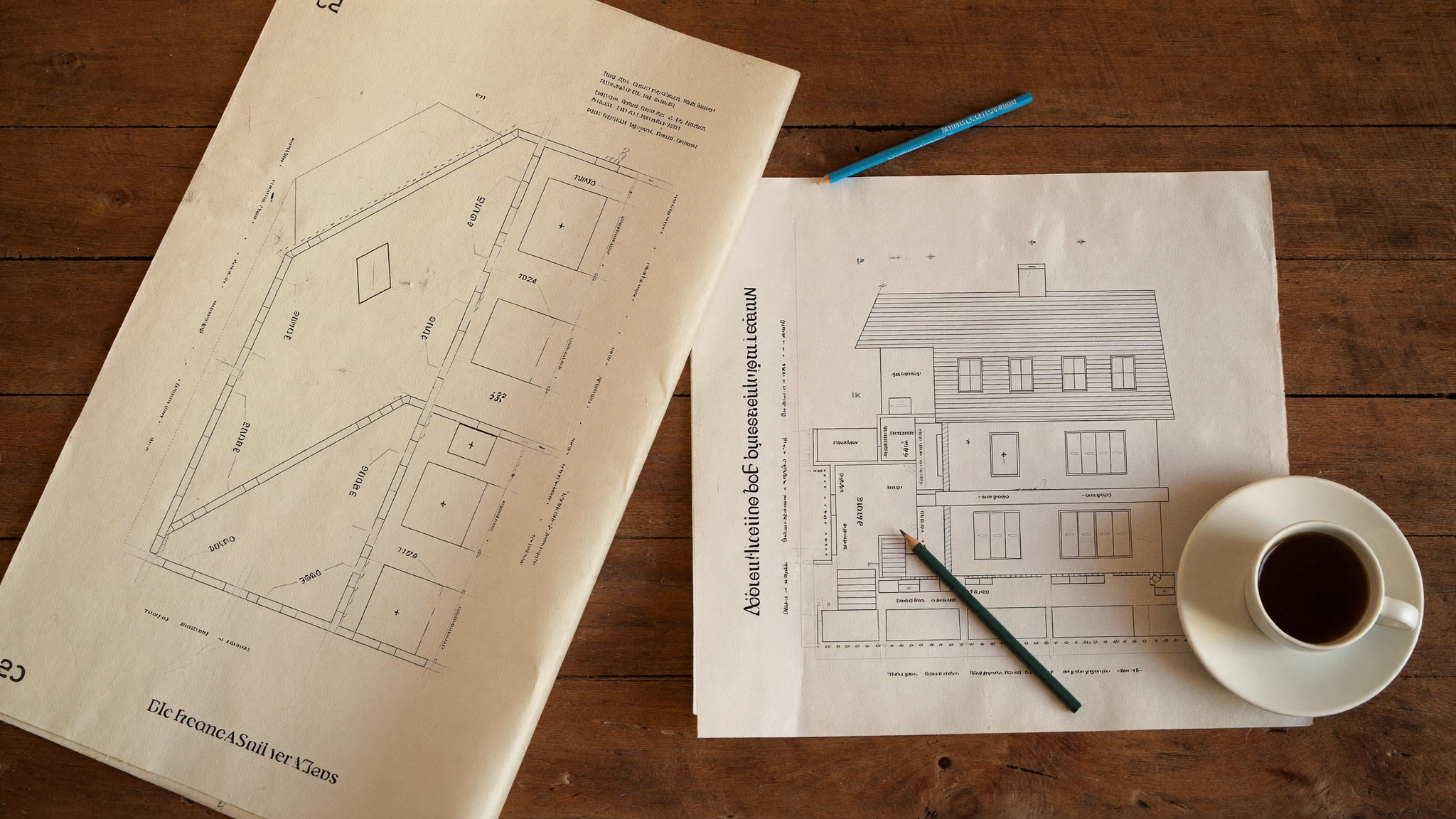
2. Walk the plans with furniture in mind
Mark where the bed, desk, TV and kitchen appliances will actually sit, then place power points to suit. Standard practice puts outlets where walls are convenient for the builder, not where your life happens. Extra points cost least at rough-in — see typical per-point pricing on our power point installation page.
3. Decide the big loads now, even if they come later
Induction cooktop next year? EV in two years? Ducted aircon someday? Running the cable or leaving switchboard capacity during the renovation costs a fraction of retrofitting it. EV pre-wiring in particular is nearly free while walls are open and genuinely annoying afterwards.
4. Older home? Budget a wiring decision
Renovations expose old wiring, and once new work connects to it, standards questions follow. If your home is pre-1980s, read our guide on whether older Adelaide homes need rewiring before you set the budget — opened walls are the cheapest rewiring opportunity you'll ever get.
5. Understand the sequence
Electrical work comes in two visits: rough-in (cables and boxes, after framing, before plaster) and fit-off (outlets, switches and fittings, near the end). Every position decision must be final before rough-in. Changes after plastering mean cutting into finished walls — the expensive kind of change.
6. Keep the paperwork
All fixed electrical work in SA must be done by a licensed electrician and comes with a Certificate of Compliance — details in our guide to what work needs a licence in SA. File it with your renovation documents; insurers and future buyers will thank you.
Pulling it together
One planning conversation with an electrician at design stage typically pays for itself several times over. Our renovation electrical service starts exactly there — plans in, scoped quote out.
Renovating soon?
Send the plans and the timeline. We'll match the sparky.
Editorial note: This guide is general information for South Australian homeowners. It does not replace an inspection, electrical testing or advice from a licensed contractor. Requirements, incentives and prices can change.