Electrical safety checklist for Adelaide homeowners
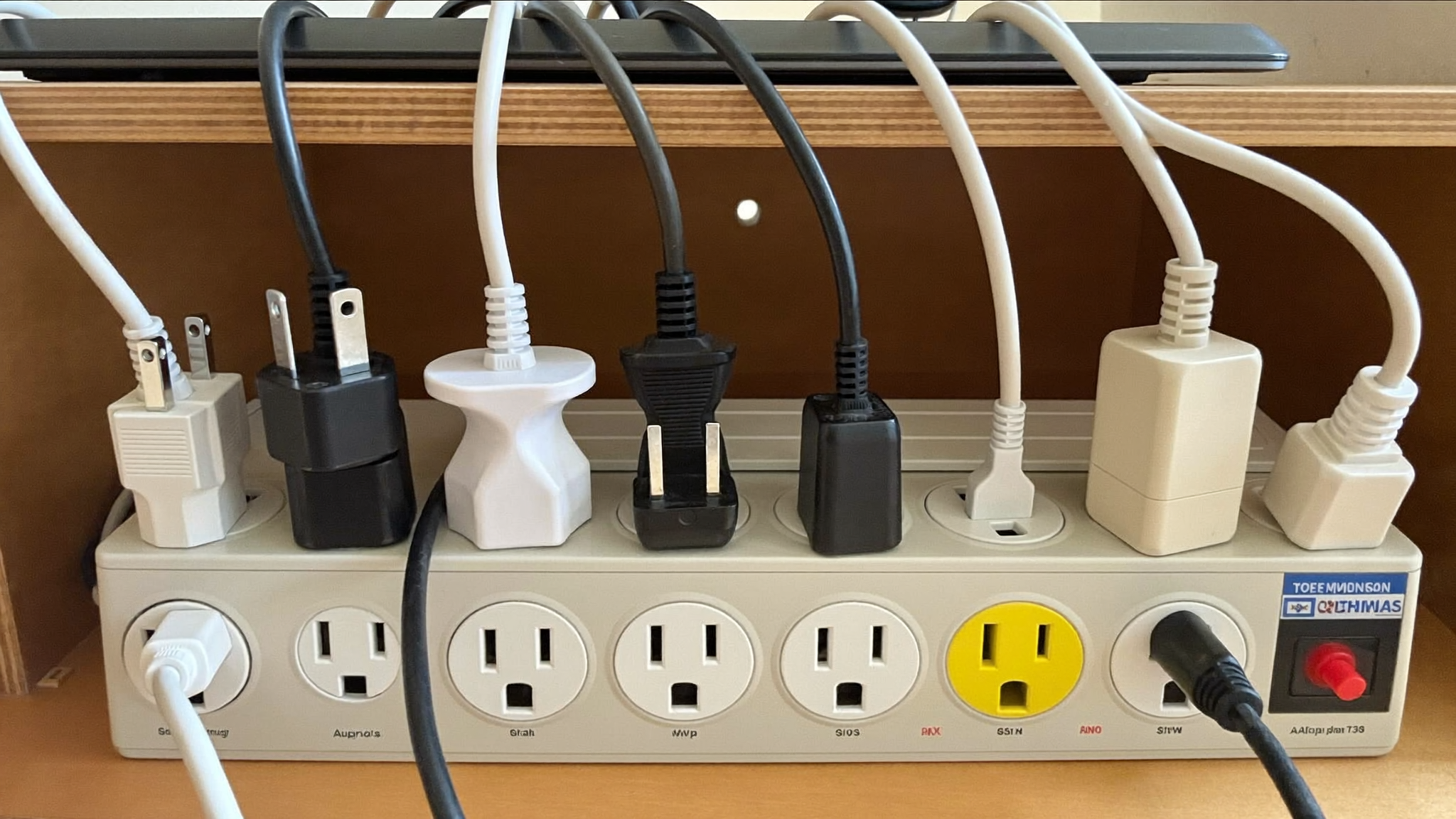
Monthly visual scan
Look for cracked outlets, loose switches, dark marks, damaged leads and overloaded adaptors. Stop using equipment that is hot, damaged or smells unusual. Visual checks do not require removing any cover.
Protection devices
Use the test procedure and frequency recommended for your safety switches. If a device fails to operate or will not reset, arrange professional testing. Smoke alarm obligations and replacement intervals should also be checked.
Outdoor and wet areas
Use equipment suitable for the location. Keep connections dry, inspect extension leads and never use indoor equipment outside. After flooding or major water ingress, do not re-energise affected equipment until it is assessed.
Before drilling or renovating
Services can be hidden in walls, floors and ceilings. Plan isolation and detection before cutting. Fixed electrical work, including moving outlets or installing new circuits, belongs with an appropriately licensed professional.
What should you do next?
For a site-specific answer, describe the property, symptoms and timing. A licensed professional can then confirm what testing or inspection is required before quoting.
Need the right sparky for this?
Send one useful brief. We’ll help route the request.
Editorial note: This guide is general information for South Australian homeowners. It does not replace an inspection, electrical testing or advice from a licensed contractor. Requirements, incentives and prices can change.